

Push Connect Click
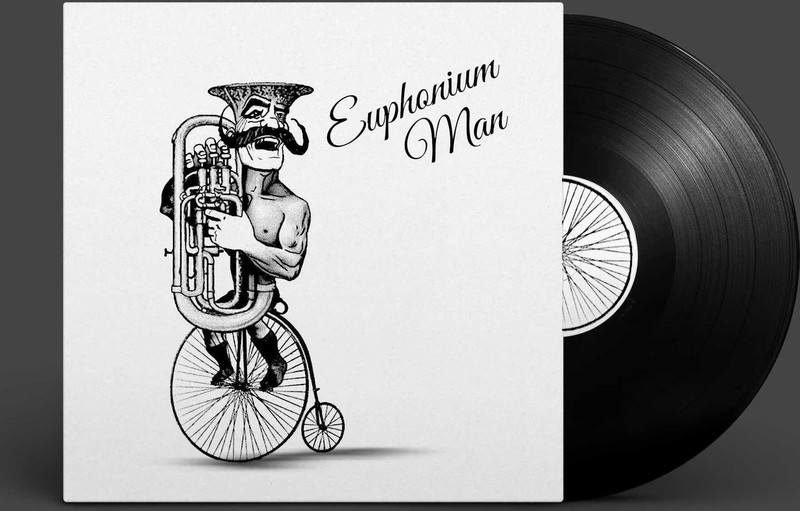
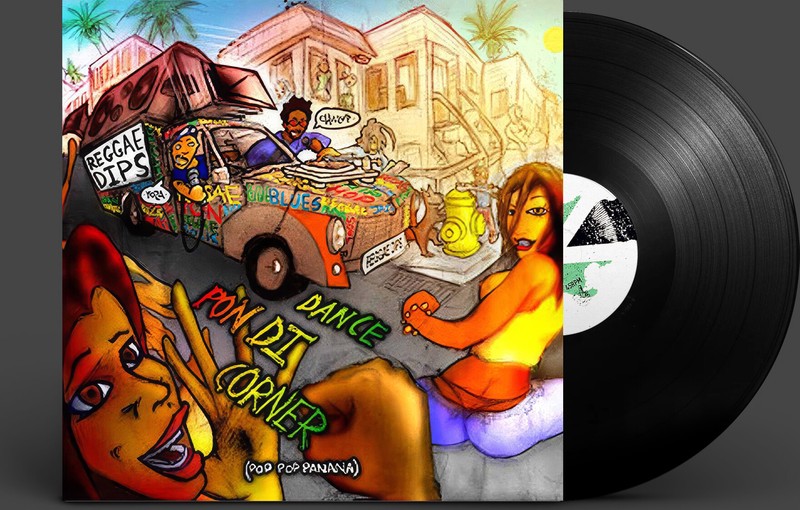
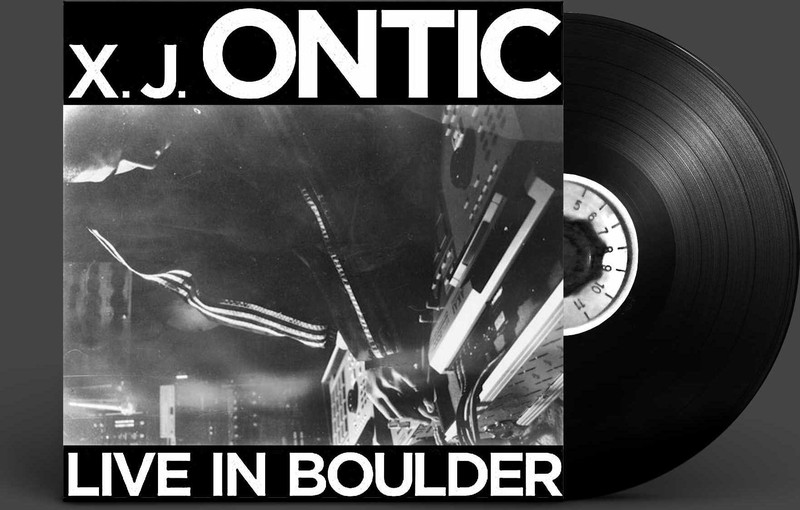
Album Cover Art, 2011
- Role
- Concept & cover art
- Target
- A Drum & Bass mix tape and its cover, built on three words lifted from a piece of hospital equipment
- Constraints
- 2011 · self-directed · the studio works in sequence, one project at a time — which is exactly why this one is still queued
- Force fielded
- Nick Charney Kaye — concept and cover art; a good friend in a hospital bed, who sent the photograph that started it
- Time-to-dispatch
- Concept and cover art, 2011. The record itself: still in the queue, openly
- Result
- Cover art delivered and a concept banked — Push. Connect. Click. The screen-printed run shipped the same year; the mix tape did not, and the page says so
- Principal
- Outright Mental (self-directed)
- Cover art, 2011 studio archive · concept, unreleasedArchival · 2011
- the screen prints what did ship from the conceptSource ›
This Drum & Bass mix tape remains, officially, a work in progress — the studio works in sequence, and its turn is still coming.
This concept was born when a good friend staying in a hospital sent a photo of an instructional graphic on the equipment next to the bed.
The instructions were designed to be easy to comprehend in an emergency, providing clear guidance to push the parts together, connect them, and listen for a click. We agreed immediately that the instructions had implications far beyond the equipment they were originally intended for.
2. CONNECT — seat them. This is the step people skip.
3. CLICK — listen. The device tells you when it is right. Nothing else will.
Original context: medical equipment, bedside, designed to be understood by a frightened person in an emergency.
Applicable context: more or less everything.
Why three words off a machine earned a record
Emergency design is the most honest writing in the world. It has no room for tone, no interest in being admired, and exactly one success condition: a scared person under load has to get it on the first read. Strip a thing down to push, connect, click and you have written the best instruction a person can receive — which is why it stops being about the equipment roughly two seconds after you read it.
Drum & Bass was the right form for it. The genre runs on that same mechanic: a break pushed against a bassline, locked, and the moment the pocket seats is audible — the click. A mix tape named after the instruction is a mix tape that has already explained its own mixing philosophy on the cover.
And the honest part
It isn’t finished. Fifteen years on, this page is not going to pretend otherwise, dress the concept up in the past tense, or quietly disappear an unshipped thing from the record. status: concept, proof: [], and a cover that is doing its job while it waits. What did ship from the same three words is the screen-printed run, which is on the shelf next to it.
Willing to fail publicly, per the manifesto — and willing to be unfinished publicly, which is the less cinematic half of the same commitment. Outright Mental works in sequence: full attention, one project at a time, no stepping stones. The cost of that policy is pages exactly like this one, kept where everybody can see them.
Record: an unreleased concept, self-directed — proof: [], because there is no record to link to and the studio is not going to imply there is. The artwork above and the screen prints are the whole of what exists.