

XJ music Demos + Artwork
Musical Proof of Concept, 2023
A living catalog of infinite music.
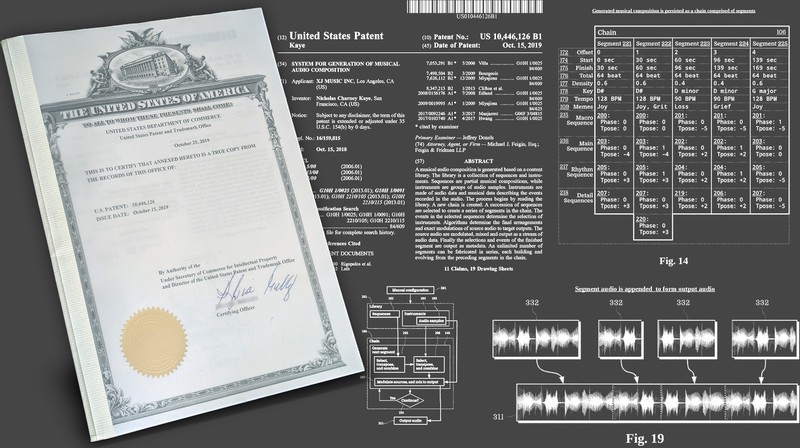
XJ music wasn’t built around songs. It was built around systems that generate music endlessly—collaborating with real artists to produce streams that never repeat, never loop, and never truly end.
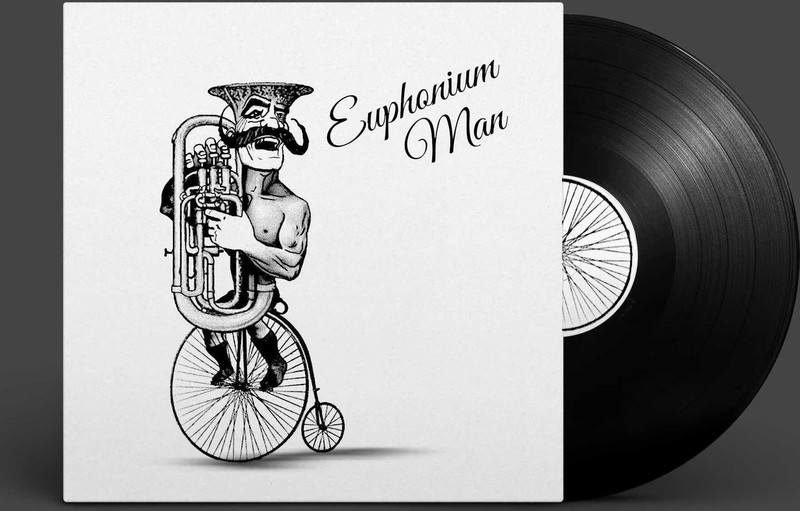
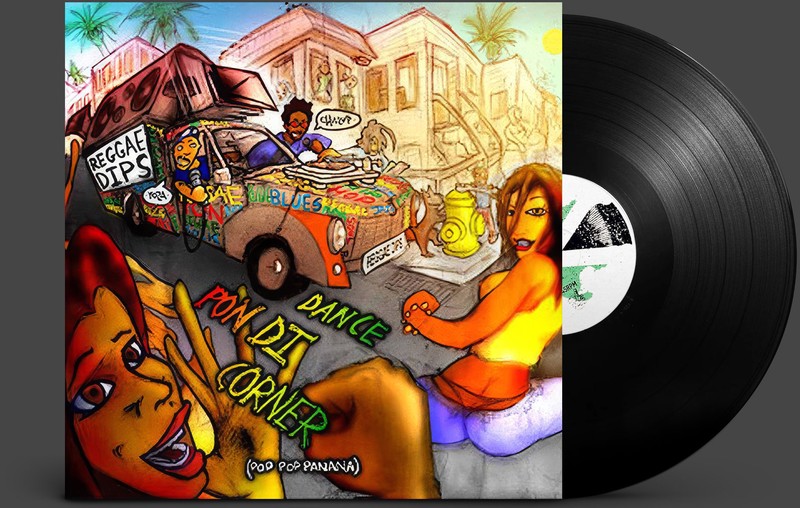
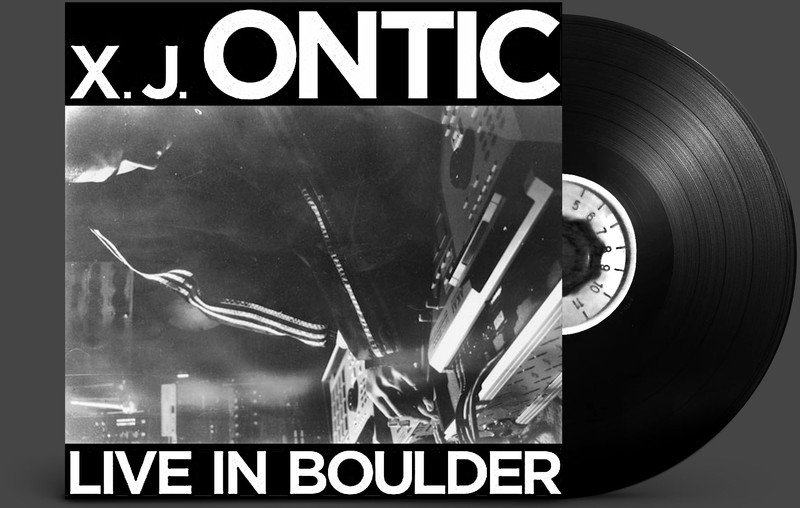
Each “project” below represents a channel: a living musical identity shaped by human performers, compositional rules, and generative logic. Alongside each channel is a visual world—artwork designed to match the emotional tone of the music it produces.
- Role
- Music composition & art direction
- Target
- Prove the engine musically—demonstration channels, each a living musical identity with a visual world to match, that a composer can clone and start from
- Constraints
- 2023 · the output is infinite, so the identity cannot live in any single track—logo placement, colorway and photography have to hold across a stream that never repeats · and each channel has to survive being opened, cloned and edited by a stranger inside the workstation
- Force fielded
- Nick Charney Kaye—art direction and production, with the artists and producers behind each channel—including the cross-city Bump collective
- Time-to-dispatch
- Published 2023; every channel ships inside the XJ music workstation as a ready-to-clone demo project
- Result
- Three channel families—Slaps (rhythm-forward, off-grid, human imperfection on purpose), Space (rhythm removed entirely; atmosphere, perception, mental state) and Bump (house as a generative medium, where XJ began)—each with its own artwork world, and each proving that generative music can feel authored
- Principal
- Outright Mental—XJ music (original IP)
Artwork as Identity
Each channel wasn’t just a sound—it was a world with visual language:
Logo placement and gravity were intentionally designed per channel Colorways and composition reinforced emotional tone Photography and imagery aligned with how the music feels, not just how it sounds
Even subtle decisions—like logo positioning or scale—were used to create consistency across infinite output.
Why It Matters
XJ music explored a question that still isn’t fully answered:
What happens when music is no longer a fixed artifact—but a continuous, living system?
These demos were not experiments in isolation. They were early proofs that:
- Generative music can feel authored
- Infinite systems can still have identity
- Collaboration between humans and systems can produce something neither could alone
Clone a Demo, Start Composing
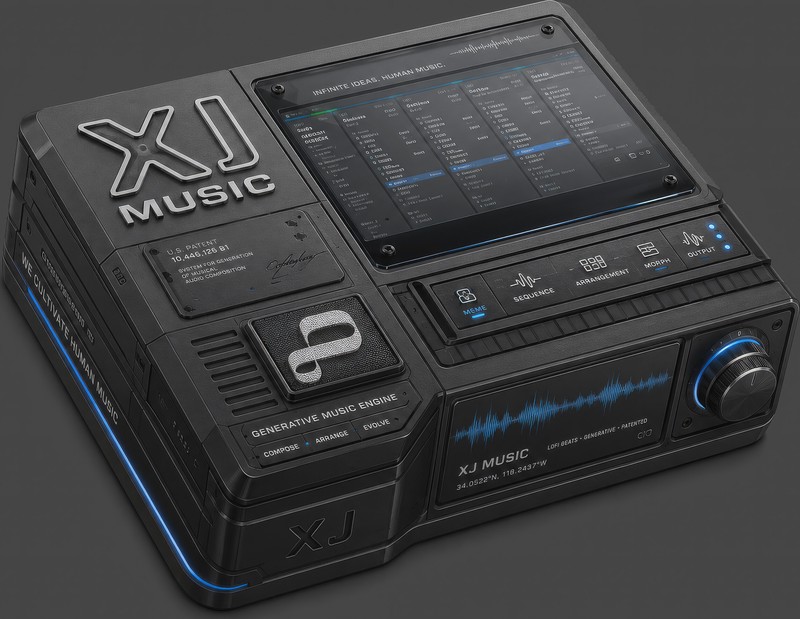
Every channel below ships inside the XJ music workstation as a ready-to-clone demo project. Open the workstation, clone a demo, and you have a complete, editable musical system to build from.
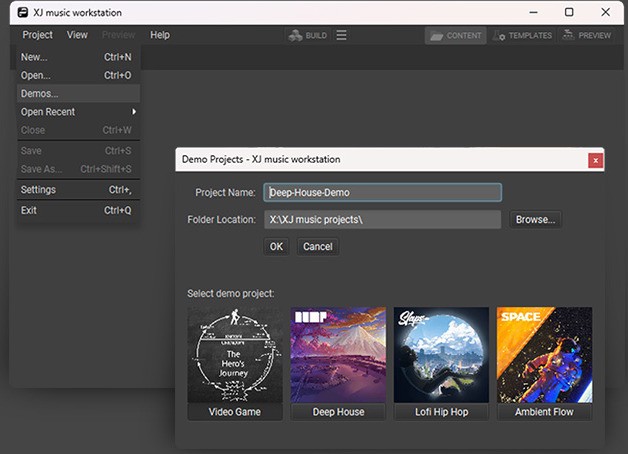
The workstation also bundles a Video Game demo—The Hero’s Journey, a chaptered, state-aware score built to prove the same engine inside a real game.

The Beat Never Stops
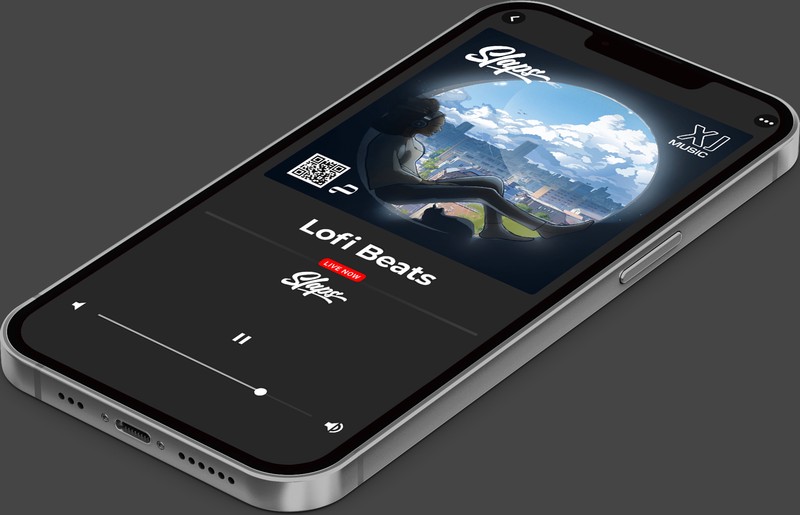
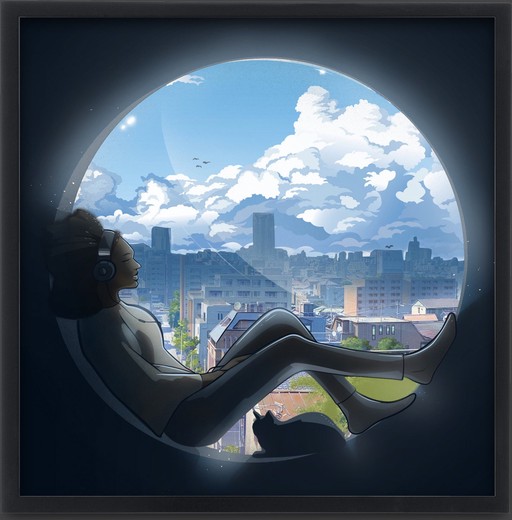
Slaps pushed XJ into rhythm-forward experimentation—introducing lo-fi and trap influences into the generative system.
Instead of rigid quantization, Slaps leaned into human imperfection: off-grid drums, delayed melodies, and expressive timing.
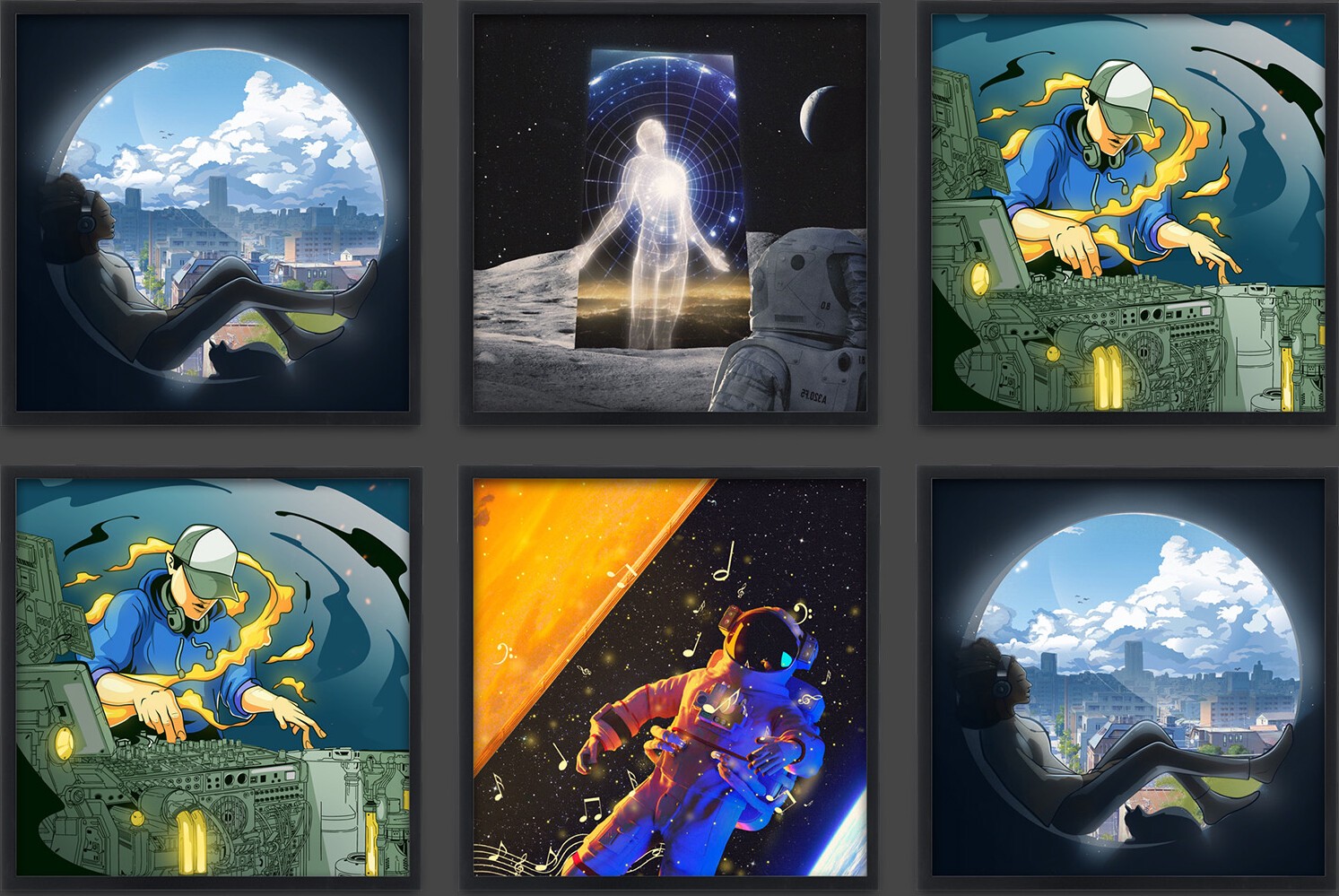
Artwork Direction: Urban solitude, headphones, motion through space—visuals that frame the listener as inside their own world, carried by rhythm.


Ambience From Beyond
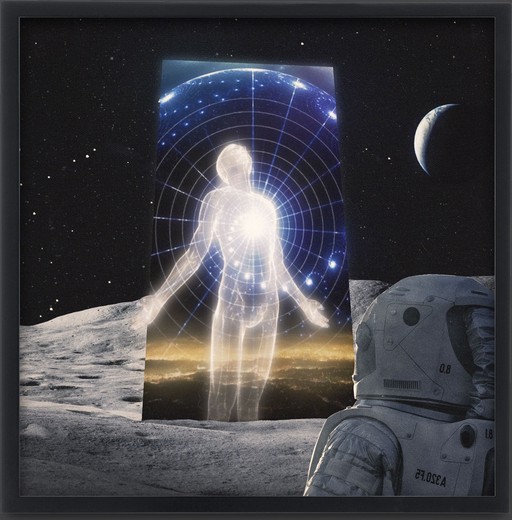
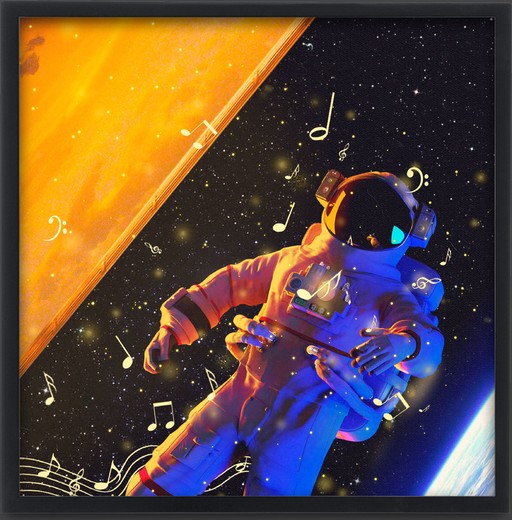
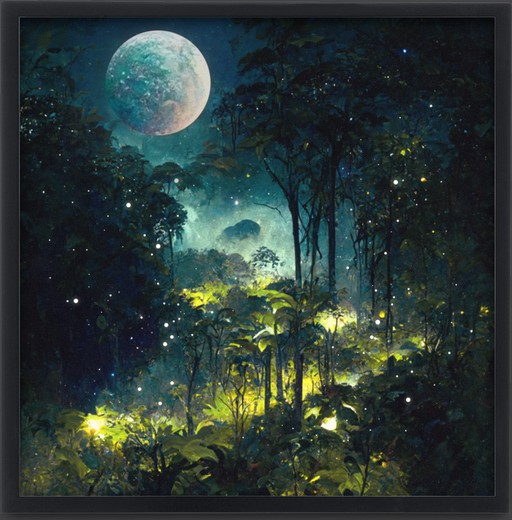
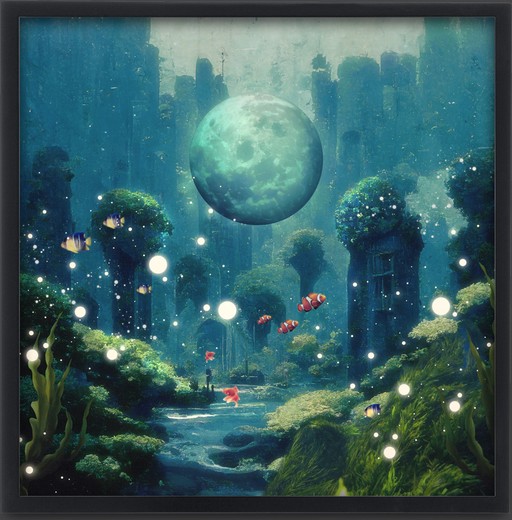
Space represents the most ambitious expression of XJ music: removing rhythm entirely and focusing on pure atmosphere, perception, and mental state.
These channels explore the idea that generative music can become environmental—a backdrop for thought, focus, or rest.
Artwork Direction: Expansive, atmospheric, and often surreal—cosmic visuals, natural landscapes, and minimal human presence. The goal: place over performance.

The Life of the Party
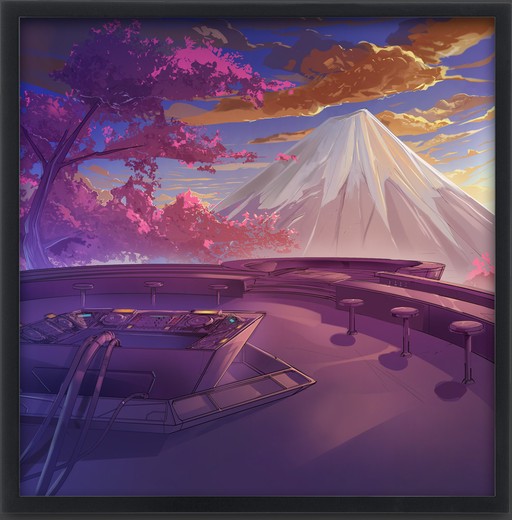
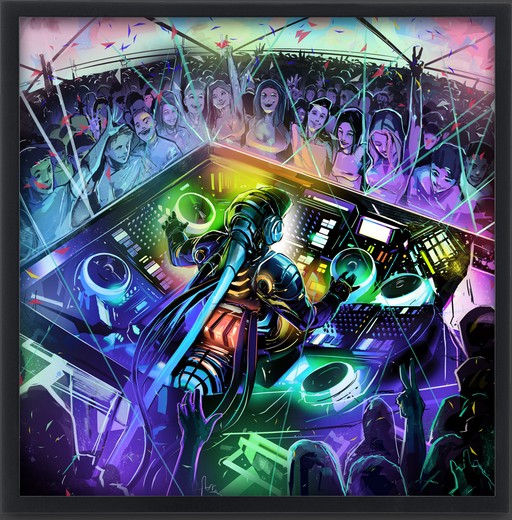
Bump is where XJ music began: a collaborative supergroup exploring house music as a generative medium.
Built by a cross-city team of producers—including Chicago house lineage and New York/Bay Area experimentation—Bump established the core idea that live-coded musical DNA could feel authored, human, and alive.
Artwork Direction: Warm nightlife tones, motion blur, bodies in movement—visuals that emphasize social energy, rhythm, and shared space.
Mechanics that expose choice rather than hide it, per the manifesto—and here the choice belongs to the composer. Every one of these channels ships as a clonable project rather than a locked showcase, because a demo that cannot be opened is an advertisement. Open it, take it apart, disagree with it, build your own.
Proof: every channel above ships inside the XJ music workstation as a ready-to-clone demo project—open source, with installers for macOS, Windows and Linux.