

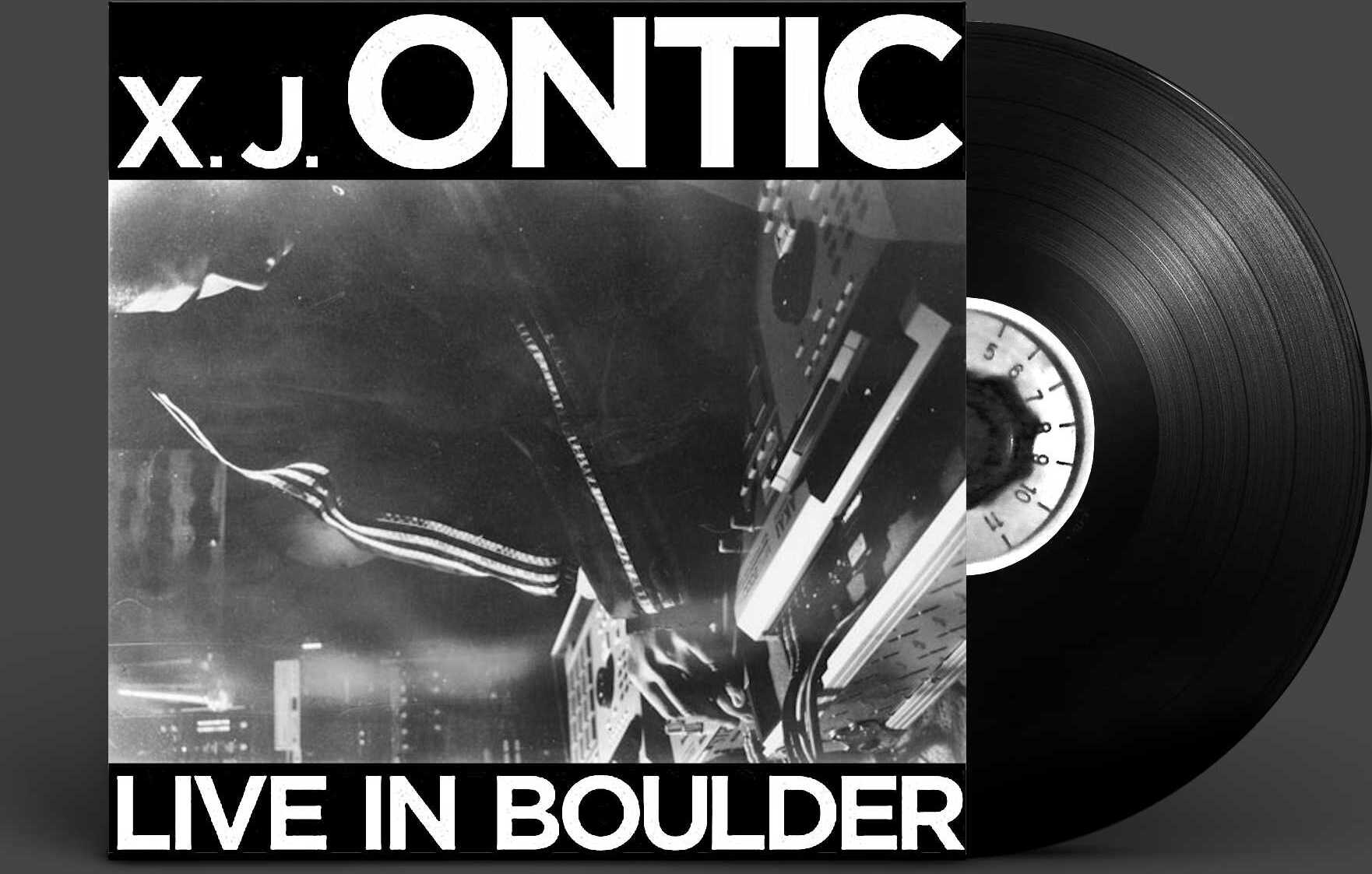
XJ Ontic “Live in Boulder”
Album & Cover Art, 2002
- Role
- Composition, performance & cover art
- Target
- Capture the peak of a two-machine live electronic rig on a released record before the rig changed
- Constraints
- 2002 · self-released · performed live on a pair of Akai MPC-2000s, no overdub safety net — what the hands did is what the record holds
- Force fielded
- Nick Charney Kaye — composition, performance, and cover art, under the moniker X.J. Ontic
- Time-to-dispatch
- Released 2002; still in distribution on the major stores two decades later
- Result
- Live in Boulder released and still available — iTunes · Spotify. The initials in the moniker outlived the record: XJ music
- Principal
- Outright Mental (self-released, as X.J. Ontic)
Operator Nick Charney Kaye has been an electronic musician from an early age. Experience in the Demoscene embedded him in the tracker-style approach to electronic music — music as a document of instructions rather than a recording of a performance — long before inventing a new medium for ambient music.
He released this album, Live in Boulder, under the moniker X.J. Ontic, to capture the peak of the dual-MPC-2000 sound he had put together at the time.
“LIVE IN BOULDER” — X.J. ONTIC — 2002
RIG: TWO AKAI MPC-2000, SYNCED, PLAYED BY HAND
METHOD: TRACKER LOGIC, DEMOSCENE LINEAGE
TAKES: LIVE. WHAT THE HANDS DID IS WHAT YOU GET.
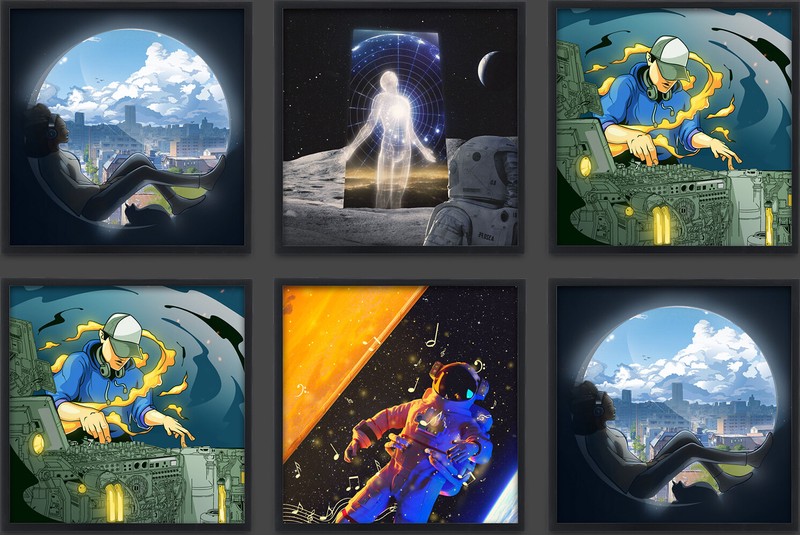
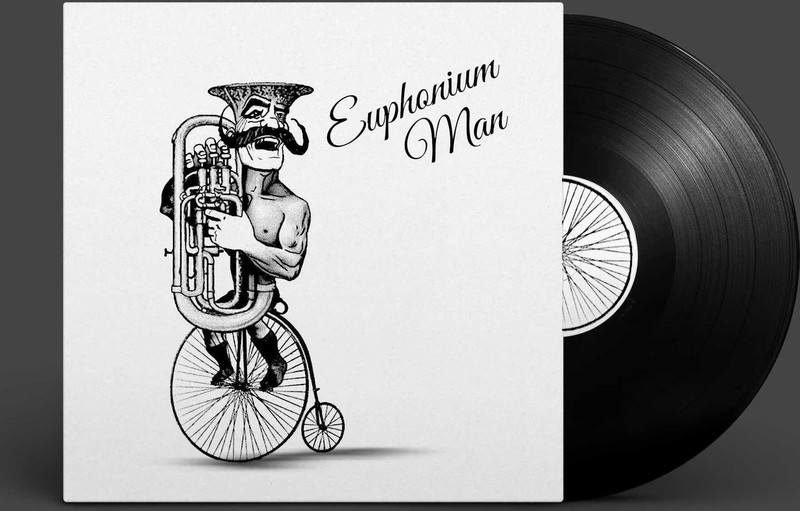
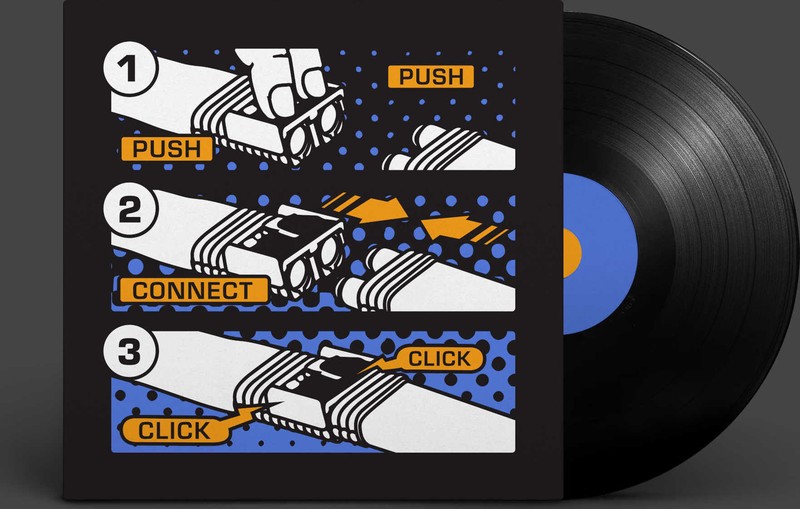
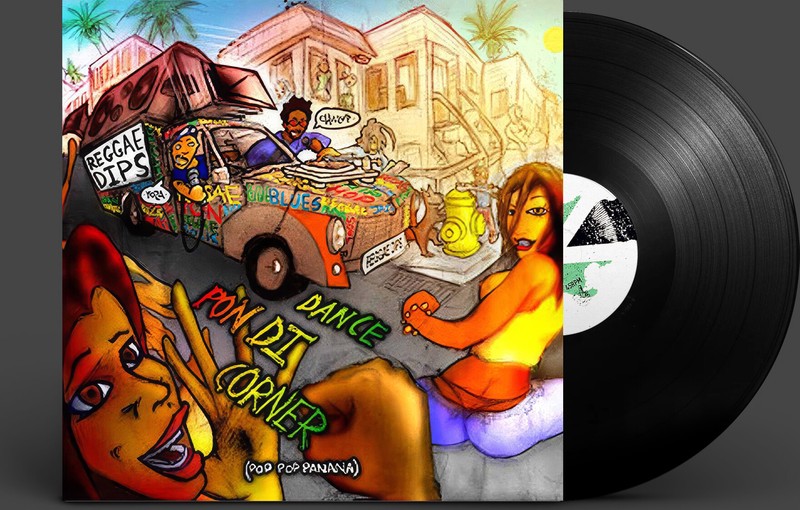
ART: SELF-DRAWN. SAME PAIR OF HANDS.
Two machines, one grammar
An MPC is a grid of pads over a sampler: you load fragments, you assign them, and you play arrangement as a performance. Two of them, locked together, gives you something closer to an instrument with two independent minds — one holding a bed, one interrupting it. That is not far from what the studio would later patent.
Because the tracker discipline is the through-line here. A tracker composer does not record a song; they author the rules and materials a song is assembled from, then press play. Twenty-odd years and one U.S. patent later, that is a fair plain-language description of the XJ music engine: a library of partial compositions and sampled instruments, chained into an unbroken stream that never repeats. The initials came along for the ride.
Everything is temporary, says the manifesto — including the rig. This record exists because a specific sound was going to stop existing: two machines, one room, one configuration of a person’s hands, all of it about to change. Look directly at the thing you are about to lose, and press record. That instinct is the whole reason this page has something to link to.
Proof: Live in Boulder on Spotify · on iTunes — released 2002, still in distribution.