

Fever Tilt Trailer
People First, 2026
- Role
- Direction
- Target
- A ~90-second storefront trailer cut around one rule game trailers refuse: show the humans
- Constraints
- In production · Steam-page conventions demand a hook inside the first five seconds · no narration, because the game has to be legible on sight · and the biggest structural feature—a 32-player tournament system—has to be carried without a single caption
- Force fielded
- Nick Charney Kaye—direction; shot at The Detour, a San Francisco arcade bar, during Fever Tilt's first real tournament
- Time-to-dispatch
- In production now; on cut lock it leads the studio homepage, the Steam page and YouTube. End card: Wishlist on Steam · November 2026
- Result
- A trailer that opens on real players rather than gameplay capture, then pulls back to reveal a bracket night in a bar—a real room, not a set built for the camera, which is what makes it proof rather than a pitch
- Principal
- Outright Mental—Fever Tilt (original IP)
The ~90-second trailer is our marketing masthead, the front of our Steam page, cut around one editorial rule most game trailers refuse to follow: show the humans.
People first
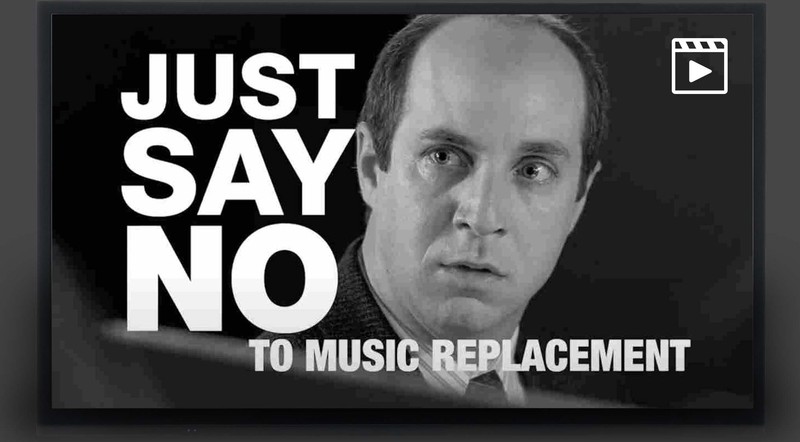
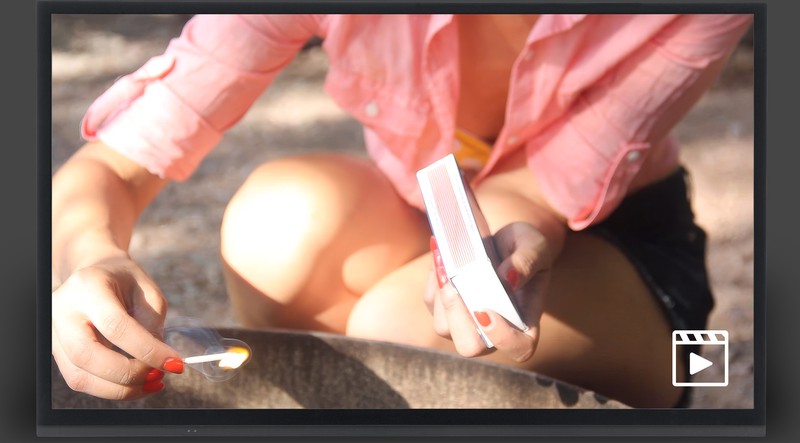
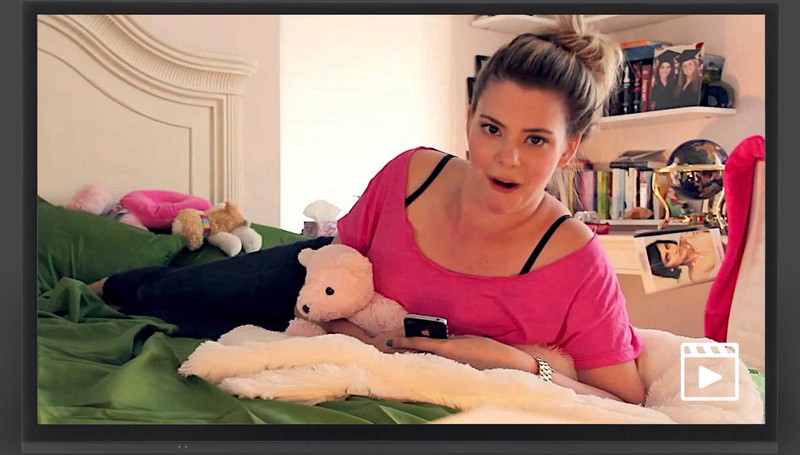
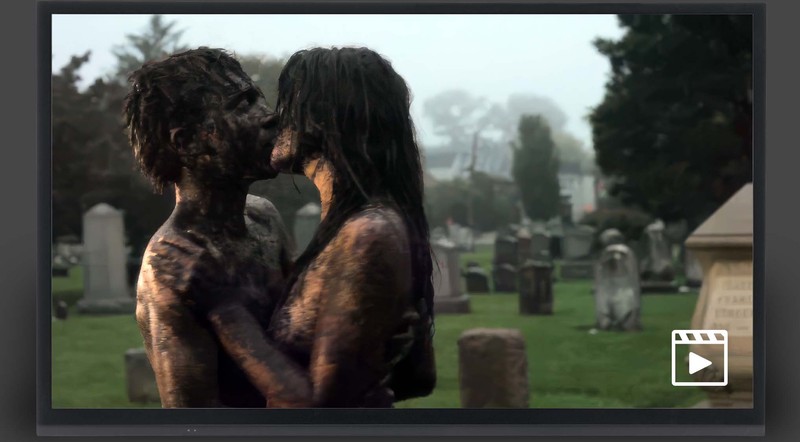
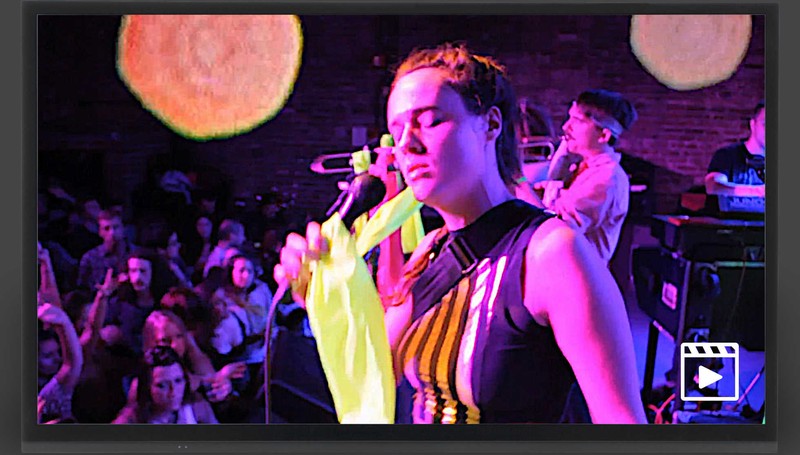
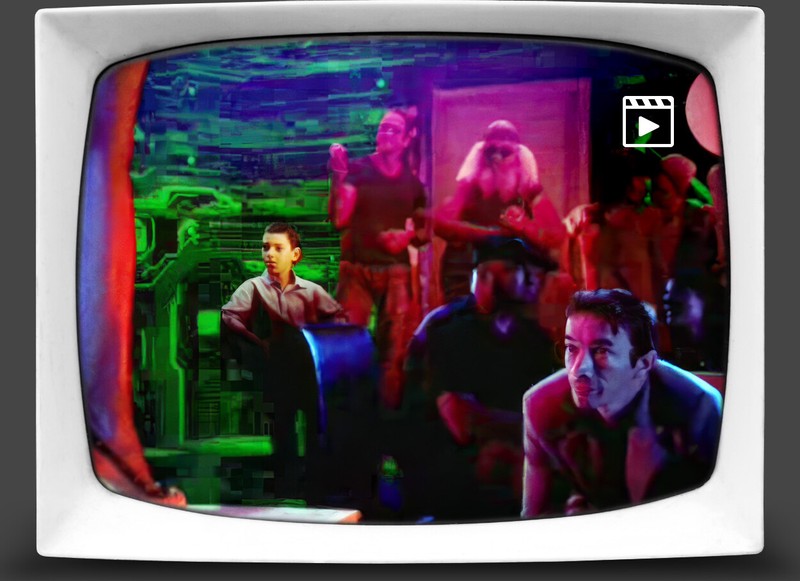
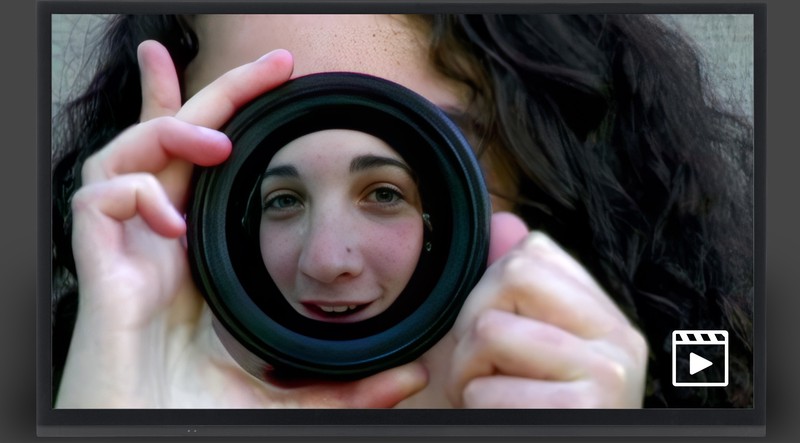
Scroll any Steam page and you’ll see gameplay capture, logo stings, and feature bullets—almost never a person. Fever Tilt can’t be honestly sold that way, because it was born on a physical table, designed for two people standing face to face. So the trailer opens where the game actually lives: real players, on camera, in the first seconds. The frame above is the thesis: GOOOAAAAL! on the big screen, and the two human beings it just happened to.
The reveal: they’re playing a tournament, in a bar
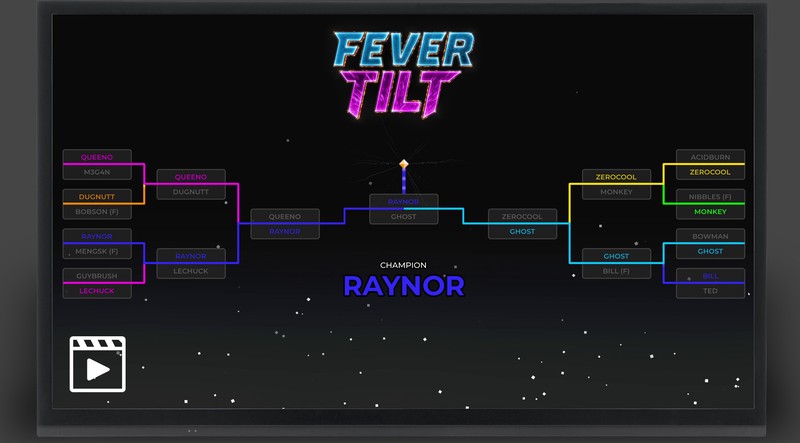
Those players aren’t a staged reaction shot. The cut pulls back to show the context: a bracket night, the match projected over the bar, names on the board, a crowd waiting for the table. And it isn’t a set the studio built for the camera—Fever Tilt held its first tournament, and shot the trailer, at The Detour, a San Francisco arcade bar, so a real bracket night in a real room is what makes the trailer proof rather than a pitch. That one move carries the game’s biggest structural feature without a single caption: Fever Tilt ships with a full tournament system for up to 32 players, with web signup, bracket management, and per-match stats. Show the room; the feature explains itself.
RUNTIME ~0:90 · STOREFRONT CUT · IN PRODUCTION
0:00 REAL PLAYERS, ON CAMERA. NOT A REACTION SHOT.
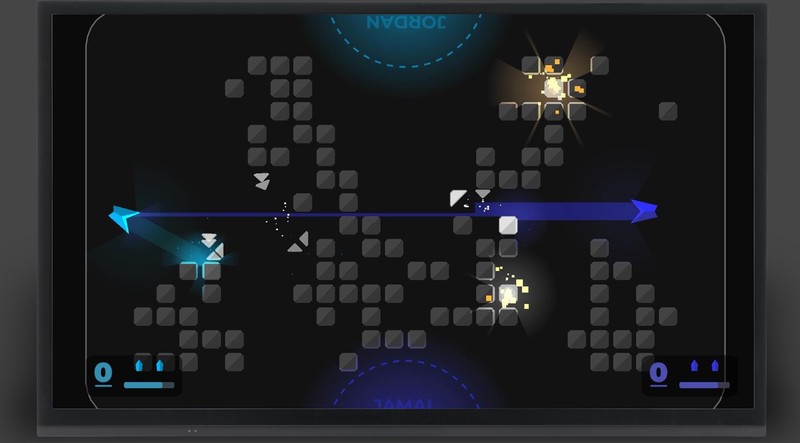
0:05 HOOK LANDED—TABLE-SLAM, LASER SHATTER, GOAL SLOW-MOTION
PULL BACK → BRACKET NIGHT, PROJECTED OVER THE BAR
LOCATION: THE DETOUR, SF—A REAL TOURNAMENT, NOT A SET
NARRATION: NONE. THE GAME IS LEGIBLE ON SIGHT.
END CARD: WISHLIST ON STEAM · NOVEMBER 2026
Cut for the storefront
Hook inside the first five seconds—table-slam, laser shatter, goal slow-motion. No narration; the game is legible on sight. End card: Wishlist on Steam · November 2026. The trailer is in production now; when the cut locks, it leads the studio homepage, the Steam page, and YouTube.
First to five.
The reveal is only honest because the thing revealed is real: the tournament system is shipping in the game, and the match itself is legible on sight, which is why the cut can afford to spend its first seconds on faces instead of gameplay.
A sense that a real person made this—on purpose—is what the manifesto promises of the studio’s work, and a trailer is the one place a game gets to prove it in ninety seconds. Showing the humans is not a style choice here; it is the honest description of a game that was born on a physical table and does not exist without two people standing at it.
Proof: the Steam page the trailer fronts · the room it was shot in: The Detour, during Fever Tilt’s first real tournament. The cut is in production—this page says so rather than claiming a finished film.