

Esperanza
Screen-printed Dress, 2009
Can you see the figure in the screen print?
The white ink is actually just the figure’s hair. The body is visible between the lines—an optical illusion that is invisible to many persons.
Inks: one. White.
What is printed: the hair. Only the hair.
What is not printed: the figure—she is the fabric showing through between the strands.
Failure mode, by design: some people never see her. That is not a bug in the image; it is the image.
- Role
- Art direction & screen-print design
- Target
- A wearable print that hides a figure in its own negative space—one ink, no outline, no help for the viewer
- Constraints
- 2009 · single-color screen print on fabric · one pass of white ink and nothing else—every contour of the body has to be implied by what the ink doesn't cover · the image must survive the drape and movement of a garment
- Force fielded
- Nick Charney Kaye—art direction and screen-print design
- Time-to-dispatch
- Printed March 2009
- Result
- A screen-printed dress carrying a figure most viewers resolve only on the second look—and which some never resolve at all. The ink is her hair; the body is the gap
- Principal
- Outright Mental (self-directed)
- 1—white inks usedArchival · 2009
- many viewers who never see the figureArchival · 2009
The gamble in a one-ink print
Screen printing rewards nerve. Every additional color is another screen, another registration risk, another chance for the design to get muddy on press—so the disciplined move is to strip a design down until one pass carries it. The undisciplined version of that is minimalism as an aesthetic. The version worth doing is minimalism as a trick: use the single ink to describe something other than the subject, and let the viewer’s own visual system assemble the subject for free.
Here the ink is hair and the subject is a woman, and the entire rendering of her body is performed by the wearer’s dress showing through. Which means the piece has a genuine failure mode built into it. A good share of people look straight at it and see an abstract pattern. They are not wrong; they are simply not going to be handed it.
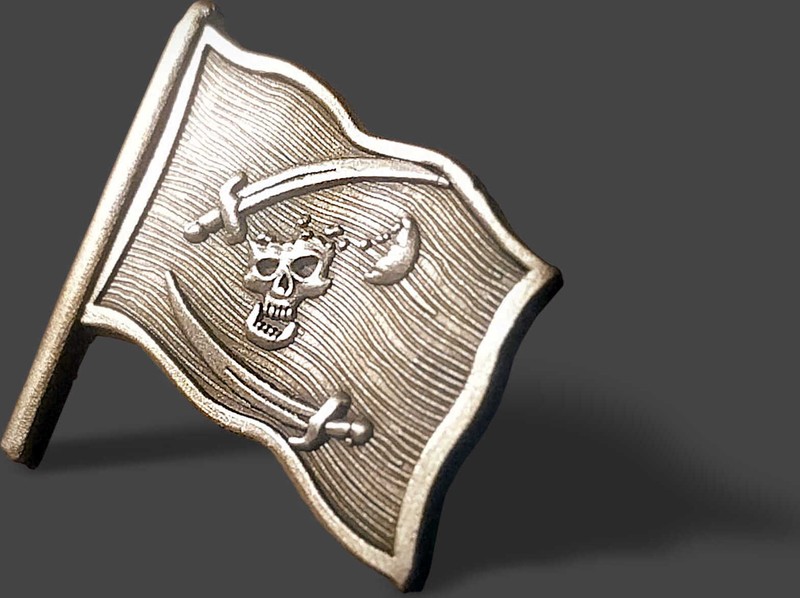
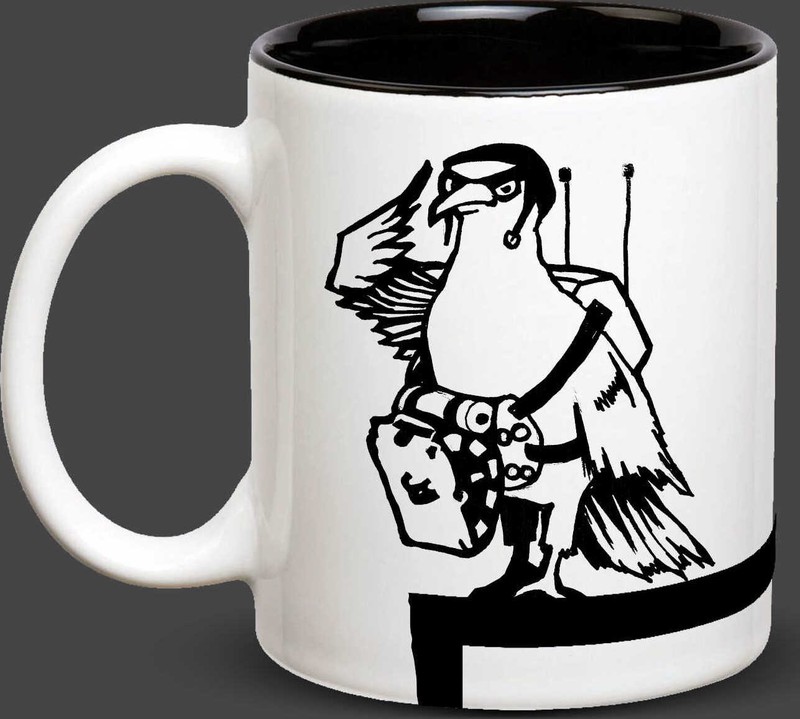
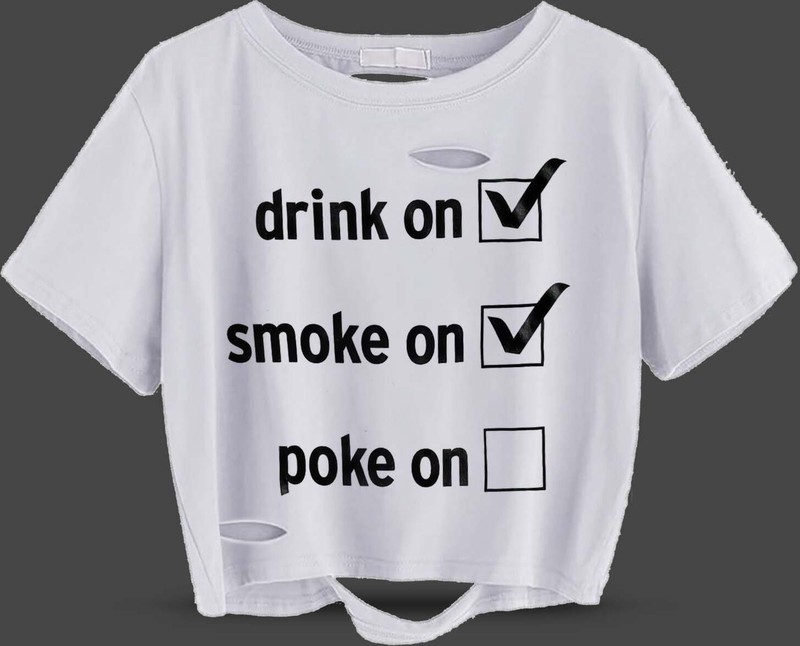
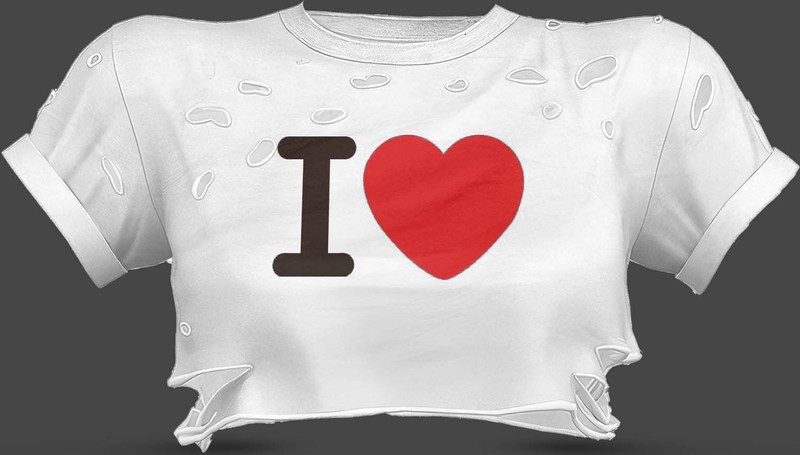
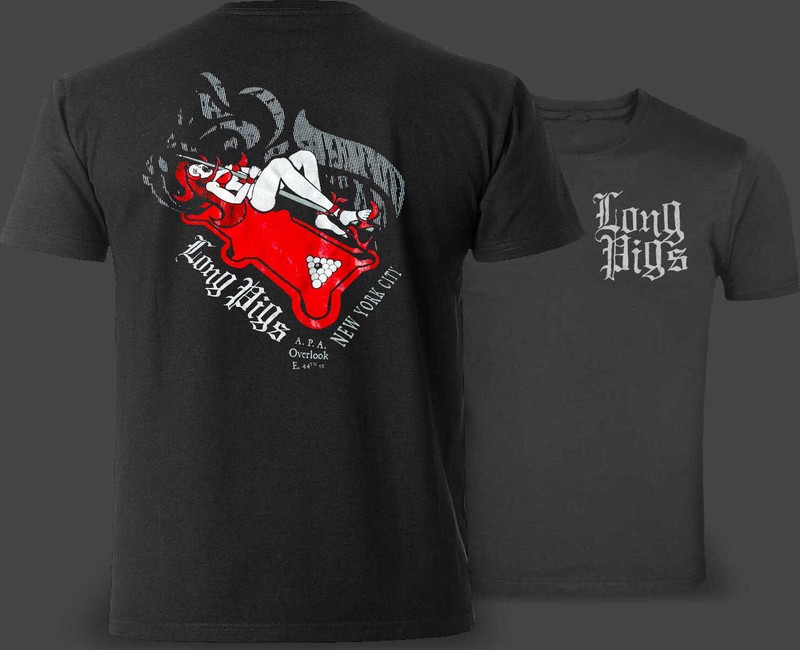
Keeping a piece whose central effect does not land for everyone is the interesting part of putting it in a portfolio at all. The studio has a running weakness for garments that say exactly one true thing—the Long Pigs team shirt, the Poke On checklist, the I ❤ shirt with the object deleted—and this is the one that says it quietly enough to be missed.
A willingness to confuse before it comforts, says the manifesto—stated there as a creative philosophy and honored here as a printing decision. The design does not outline her, does not caption her, and does not help. Look directly. She was there the whole time.
Record: a one-off garment, self-directed, never a product—proof: [], and no link to offer. The photograph is the evidence, and whether the trick works on you is the only test this piece has ever had.