

Scoundrels’ Cove II
StarCraft II Melee Map, 2020
- Role
- Map design
- Target
- A ladder-style melee map with above-average flair — competitively honest first, characterful second, and in that order
- Constraints
- 2020 · StarCraft II melee rules, which are the strictest design constraint in competitive game design — symmetry, fair expansions, readable chokepoints, no terrain that quietly favors one spawn · every gram of flair has to be spent without disturbing any of it
- Force fielded
- Nick Charney Kaye — map design
- Time-to-dispatch
- Published November 2020 to the community-created melee maps in StarCraft II, free to play
- Result
- Scoundrels' Cove II — two opposing crews of scoundrels facing off for control of the Cove — available in the game's own community melee map pool, where the only review that counts is whether people keep queueing into it
- Principal
- Outright Mental (self-directed — published to the StarCraft II community)
- free to play published to the community melee poolArchival · 2020
- II editionArchival · 2020
This is a ladder-style melee map with above-average flair, where two opposing crews of scoundrels face off for control of the Cove.
The latest edition of this map, Scoundrels’ Cove II is now available to play for free in the community-created melee maps of StarCraft II.
Premise: two opposing crews of scoundrels, one Cove, no arrangement that ends well.
Design order: fairness first, flair second. Reversing those makes a map nobody plays twice.
Flair budget: above average — spent entirely on things that cannot touch the balance.
Edition: II. The first one taught the second one what to cut.
Availability: free, in the community-created melee maps.
The strictest brief in game design
A melee map is the most constrained artifact a game designer can make, and the constraint is not technical — it is ethical. Two strangers are going to stake a competitive result on your terrain, and they are entitled to a field that does not secretly pick a winner. Expansion distances, ramp widths, sightlines, the exact geometry of a chokepoint: every one of those is a balance decision wearing scenery, and a map that gets them wrong is not merely ugly, it is unfair, which in ladder play is the only unforgivable thing.
What that leaves for expression is narrow, and using it well is the actual craft. Flair in a melee map has to be spent on things that cannot influence an engagement — the read of the space, its name, its silhouette, the story a player tells about where they just lost. Scoundrels’ Cove II spends it on exactly that: a place with a premise, laid over terrain that is scrupulously even-handed about which crew wins.
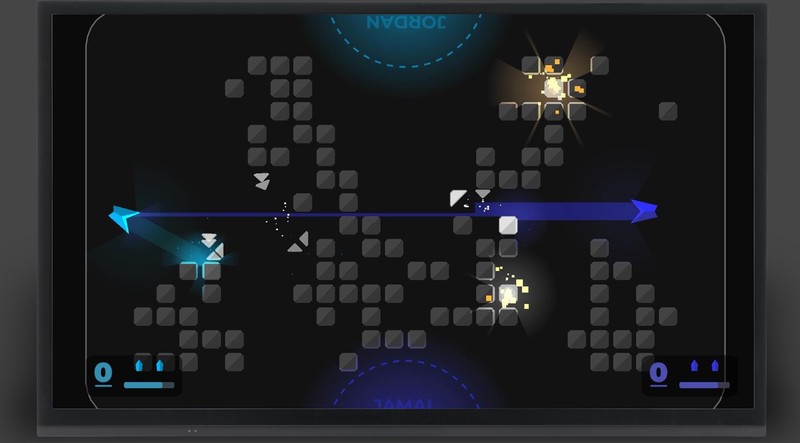
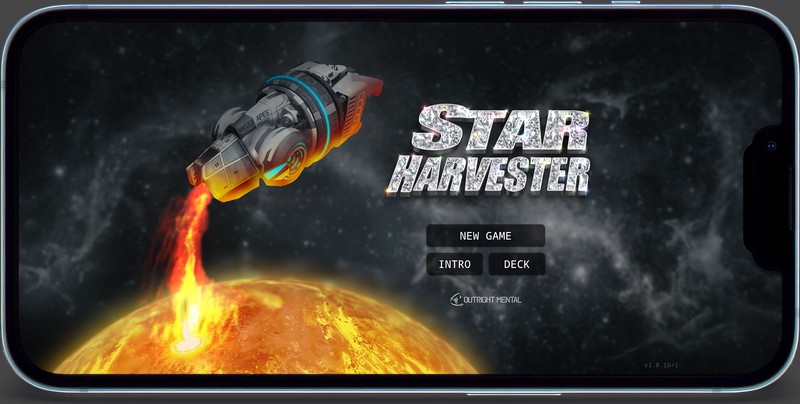
That is the same design posture the studio’s own arena sport takes, from the other direction. Star Harvester is deliberately asymmetrical — it admits the field is tilted and makes the tilt the sport. A ladder map is not allowed to do that, and learning where the line sits is why both pages are in this portfolio.
Attention matters, pressure reveals character, and choices have teeth — the manifesto on what the studio wants from its games. A melee map is the purest possible version: no story mode, no progression, no way to blame the design. Two people, one field, and terrain that is honest enough to make the result mean something.
Record: a community-published map, playable inside StarCraft II itself rather than at a link — proof: [], because there is no page a visitor can open from here to verify it, and the studio will not cite an address it cannot stand behind. Find it in the game’s community-created melee maps.